The person behind uno psych
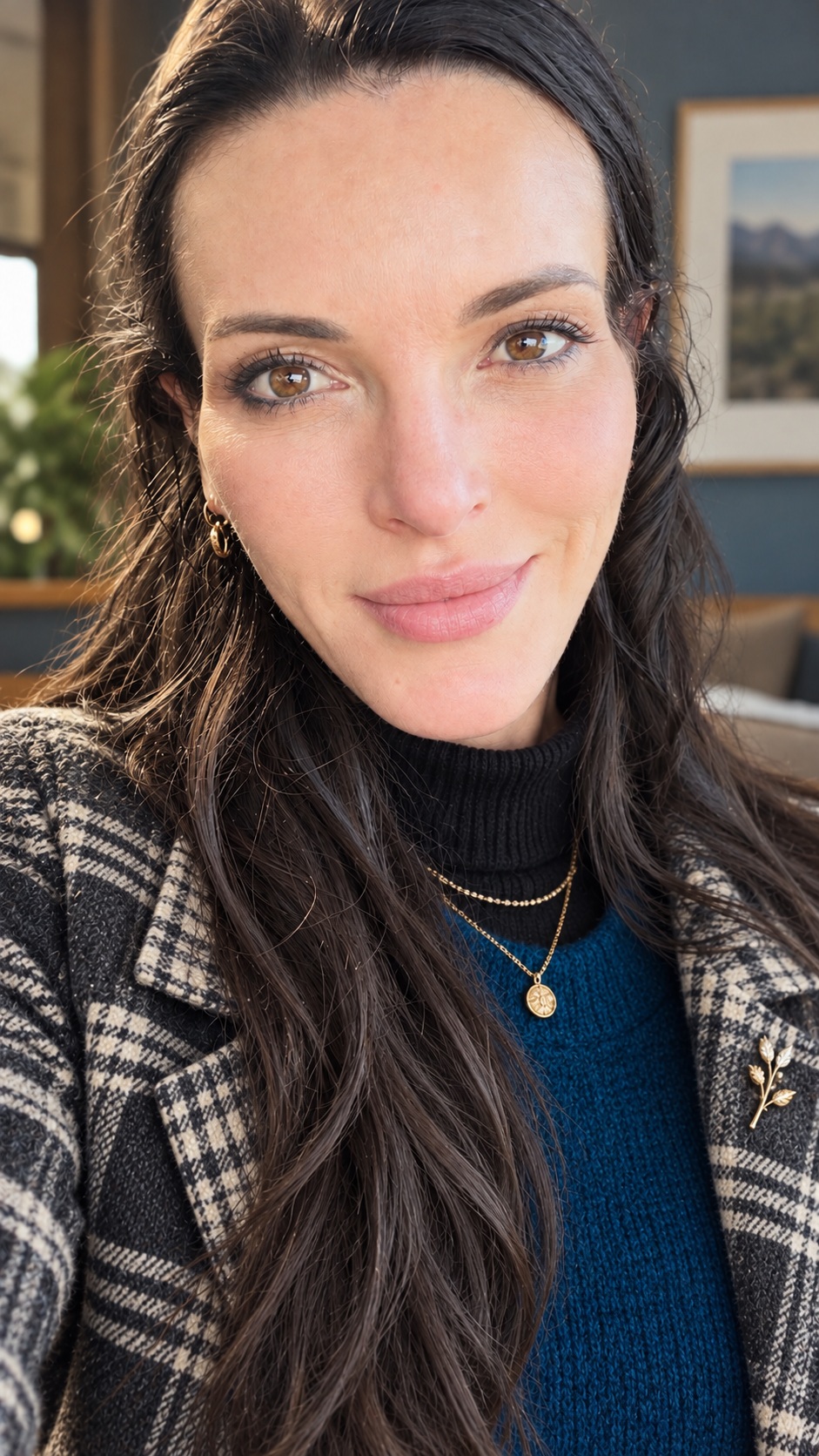
Jamie Anne Wilson
DNP, ARNP, PMHNP-BC
Psychiatric-Mental Health Nurse Practitioner
Clinical depth.
A personal connection.
I’m Dr. Wilson. I built uno psych to make room for the whole person, including the parts of your story that take time to explain.
I want to understand what your days are like, what has been difficult, and what you hope will change. I ask questions, explain my thinking, and welcome yours.
Every appointment here is with me. That continuity gives us a chance to get to know one another and build on the conversations we have already had.
A broader perspective.
A personal foundation.
I grew up in Park City, Utah. The mountains were part of everyday life, with room for independence, movement, and a change of perspective. I have also lived in Alaska. Today, I call the Pacific Northwest home.
I am the mother of two grown sons who live in Utah. Parenthood has given me a lasting respect for the different ways people develop, the influence of family relationships, and the work of allowing someone to become their own person. Those experiences belong to my personal life. They also keep me attentive to the individual within a family.

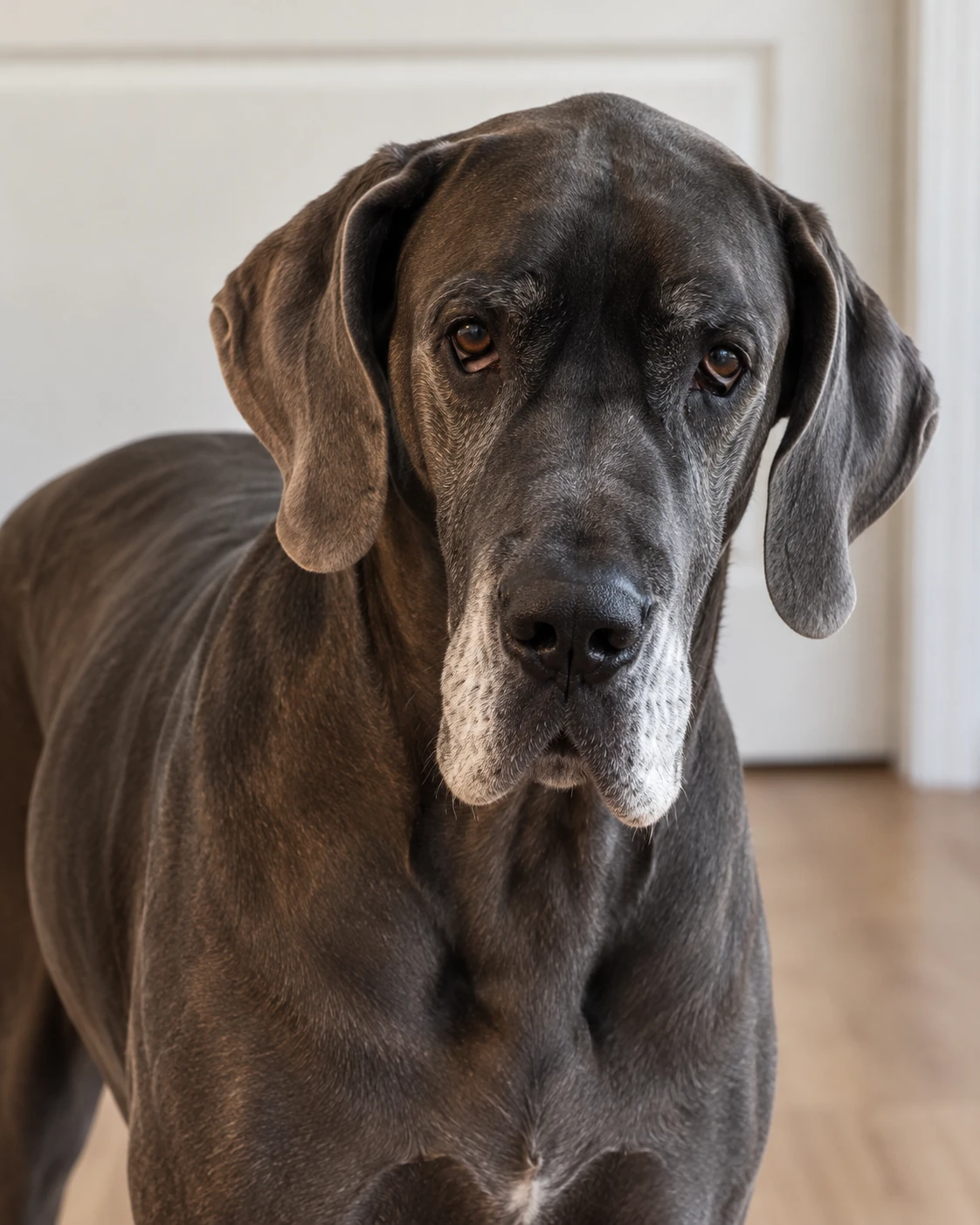
Outside the office, I enjoy hiking, mountain biking, skiing, and kayaking. Family, time outdoors, and good conversation are a few of the things that keep life full. And then there’s Oscar, my 160-pound Great Dane.
My path to psychiatric practice has included years of nursing, raising a family, completing doctoral education, and building something of my own. I value independence, personal accountability, and the freedom to ask a difficult question. I am drawn to the point where thoughtful understanding becomes a practical decision: what we can clarify, what we can change, and what deserves more time.
I created uno psych around a simple conviction: a person deserves to be understood within the life they are living. A capable appearance can coexist with exhaustion. A difficult behavior can have a history. A diagnosis can clarify part of the picture while leaving much more to understand. My work is to bring those pieces into a coherent clinical understanding, with privacy, continuity, and a treatment plan you can follow.
Careful thinking.
Plain conversation.
I earned my Doctor of Nursing Practice at Pacific Lutheran University. I am an Advanced Registered Nurse Practitioner, board certified in psychiatric-mental health care.
My nursing background includes behavioral health, high-acuity care, trauma-exposed populations, and juvenile corrections. Working in juvenile corrections has deepened my attention to development, adversity, behavior, and the environments young people have had to navigate. It has also reinforced the value of a calm presence, clear boundaries, and consistent follow-through.
My psychiatric work brings together diagnostic assessment, psychopharmacology, and individualized treatment planning. My doctoral preparation focused on psychiatric-mental health care across the lifespan. That education supports the way I assess complex presentations, explain treatment choices, and connect the clinical picture with daily functioning.
Working together.
You know your history, relationships, work, and goals. I bring a clinical perspective. Together, we consider the options and decide what makes sense for your care.
I see children, adolescents, and adults, subject to clinical fit. My clinical interests include complex trauma, co-occurring psychiatric concerns, first responders, veterans, military families, healthcare workers, and people whose work brings them close to crisis. Psychiatric assessment and medication management are central to my practice. I also offer telehealth in Washington, Oregon, Alaska, Idaho, and Utah.
You can ask me to slow down, explain something differently, or return to a question. The conversation should be one you can participate in.
What it feels like
to work with me.
Individual attention. A considered approach.
You know who you are coming to see.
Appointments are with me. Over time, we can build on what we have already discussed: your history, your questions, the treatment you have tried, and the changes you are noticing. I want the plan to make sense in the context of a person I know.
You hear the reasoning behind the plan.
I explain what I am considering and why. That includes diagnostic possibilities, what remains uncertain, and the purpose of a recommendation. You can ask about alternatives, bring a concern about medication, or tell me when something feels out of step with your priorities.
Your everyday life stays in the picture.
A treatment has to fit the life you are actually living. Shift work, parenting, school, relationships, physical health, and the cost of care can all affect what is workable. Those details help us make a more useful plan.
The conversation can be direct and personal.
I am comfortable talking about complicated histories, substance use, conflict, and experiences that are hard to put into words. You can speak plainly. I will ask thoughtful questions and tell you when further assessment or another kind of support would be useful.
You can ask for a different pace.
Tell me if you need a pause, a clearer explanation, or time to think. If lighting, seating, communication, or the appointment format creates a difficulty, we can discuss what adjustment may be possible. Your experience of the visit belongs in the conversation, too.